2026-10-28 ·
How Sacramento's Hard Water Affects Your Faucets and Showers
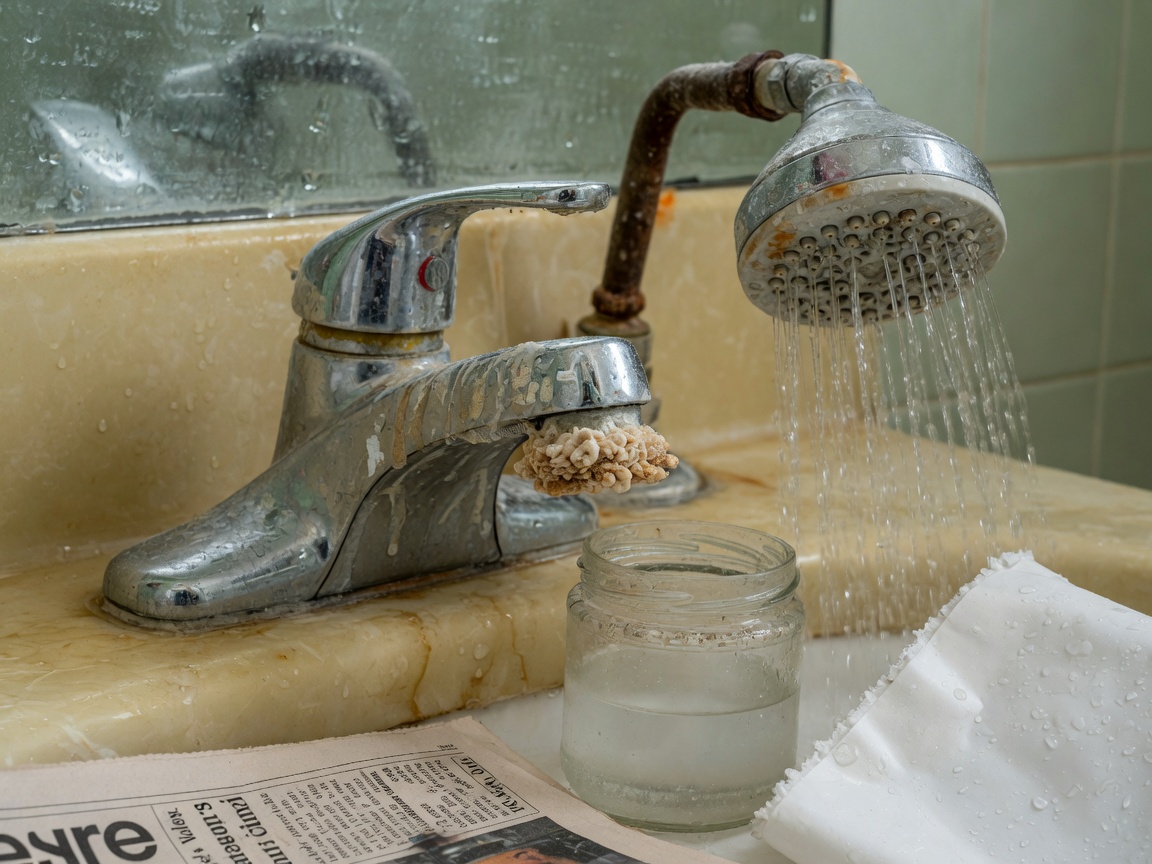
Sacramento's hard water deposits calcium and magnesium scale on faucets and showerheads, cutting water flow and creating visible white buildup within a few years in homes throughout Downtown Sacramento, Midtown, and East Sacramento.
Scale Formation on Faucets
Water drawn from the American River and local groundwater carries dissolved minerals that precipitate out when the water evaporates or heats. In kitchens and bathrooms across North Sacramento and South Sacramento, aerators trap these particles first, forming a crust that narrows openings and reduces pressure. Older homes in Land Park and Oak Park often have original fixtures that show pitting after repeated exposure. Residents notice gritty residue on hands and dishes once the buildup thickens. The hot dry summers speed evaporation on exposed surfaces, while cool wet winters bring more consistent flow that can loosen loose flakes but rarely clears packed scale. Checking aerators every few months reveals early buildup before it hardens into a solid layer that requires tool removal or replacement.
Effects on Showerheads and Flow
Showerheads in Sacramento homes collect the same minerals, but the spray pattern makes the problem more obvious. Small nozzles clog first, turning a steady stream into uneven jets or a weak mist. Homeowners in Rancho Cordova and Citrus Heights report needing to soak heads in vinegar every six to eight weeks during peak summer use. Over time the scale inside the head restricts volume, forcing longer showers and higher water bills. In homes near the American River Parkway, slightly higher sediment loads can combine with minerals to create harder deposits that resist basic cleaning. Fixtures in Midtown Sacramento apartments built before 1980 show faster wear because the original brass and chrome were not designed for today's mineral levels. Regular inspection prevents sudden drops in pressure that leave users standing under a trickle.
Local Climate and Housing Factors
Sacramento's hot dry summers concentrate minerals as water evaporates from surfaces faster than in coastal regions, while cool wet winters increase overall water use and move more volume through pipes. Neighborhoods with older housing stock, such as East Sacramento and Oak Park, contain more galvanized and copper lines that already carry interior scale, compounding the issue at the fixture level. West Sacramento and Rancho Cordova homes on newer builds still see deposits because the source water remains consistent across the county. Soil conditions along the American River Parkway contribute trace sediment that mixes with hardness minerals, creating a compound buildup that settles in low-flow areas like shower valves. These patterns mean residents in South Sacramento and North Sacramento face the same fixture problems regardless of home age, though older properties require more frequent attention to keep aerators and heads clear.
When Replacement Becomes Necessary
Once scale reduces flow below usable levels or creates visible staining that cleaning cannot remove, replacement restores performance. Faucet installation addresses corroded aerators and valves that no longer seal properly after years of mineral exposure. Leak detection helps identify hidden drips caused by scale-damaged seats inside older shower valves common in Land Park homes. Homebuyers reviewing properties in Midtown Sacramento benefit from inspecting your plumbing before buying a home in Midtown Sacramento to spot early signs of fixture wear. These steps keep water delivery consistent without repeated cleaning cycles that only delay the inevitable replacement in hard-water conditions.